


Creating a productive home office environment is essential for anyone working remotely. Whether you’re new to working from home or have been doing it for a while, having a well-organized and comfortable workspace can greatly improve your focus and efficiency. Here are some practical tips to help you create a home office that supports your best work.
Choose the Right Location
One of the first steps in setting up a productive home office is selecting the best spot in your home. Ideally, pick a quiet area away from distractions such as the TV, kitchen, or busy household traffic. If possible, dedicate an entire room to your office to clearly separate work and personal life.
Consider Natural Light
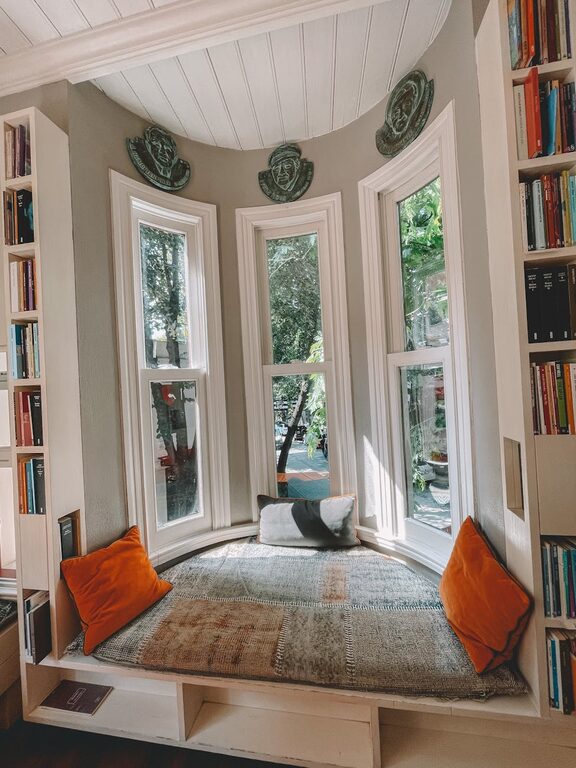
Natural light can improve your mood and energy levels throughout the day. Try to position your desk near a window to soak in daylight. Just be mindful of glare on your computer screen, and consider adjustable blinds or curtains if needed.
Invest in Comfortable Furniture
Since you’ll spend many hours at your desk, comfort is key.
– Ergonomic Chair: Choose a chair that supports your back and encourages good posture.
– Desk Height: Your desk should allow you to sit comfortably with your feet flat on the floor and arms at a 90-degree angle.
– Adjustable Furniture: Consider adjustable desks that let you alternate between sitting and standing to reduce fatigue.
Organize Your Workspace
A clutter-free workspace can help you stay focused and reduce stress. Here are some organization ideas:
– Use Storage Solutions: Shelves, drawers, and filing cabinets can keep papers and supplies neatly stored.
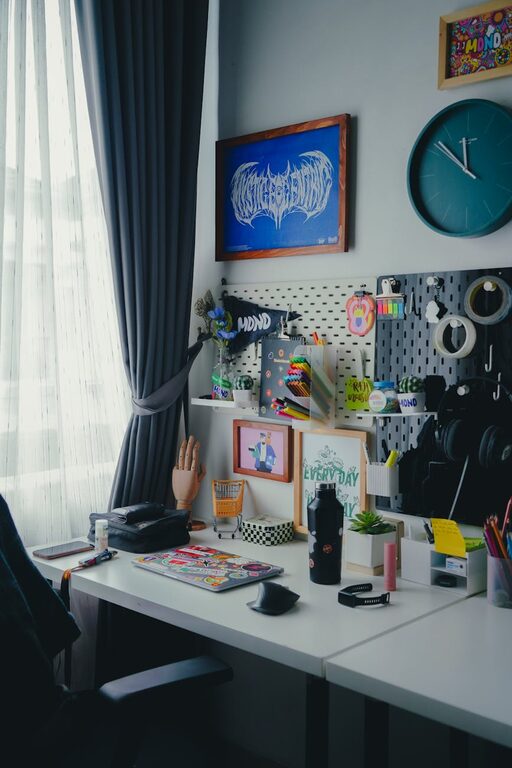
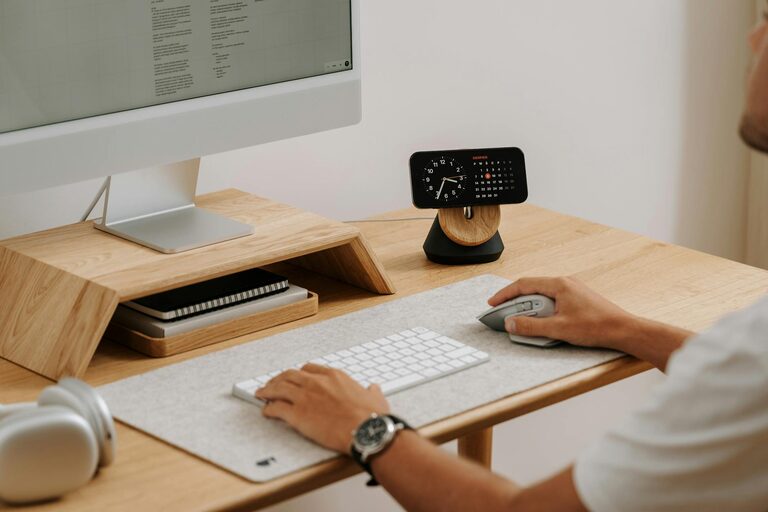
– Keep Essentials Handy: Only keep frequently used items on your desk to avoid clutter.
– Cable Management: Use clips or sleeves to keep cords organized and out of the way.
Minimize Distractions
Design your workspace to limit interruptions:
– Noise Control: Use noise-canceling headphones or white noise machines if background noise is a problem.
– Communicate Boundaries: Let family members or housemates know your working hours to reduce interruptions.
– Turn Off Notifications: Silence non-work-related notifications on your computer and phone during focus periods.
Personalize Your Space
Adding personal touches can make your office more inviting and boost motivation:
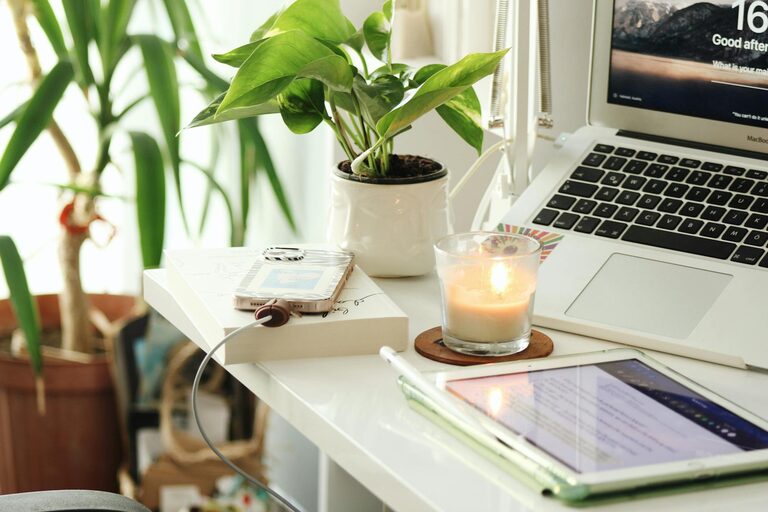
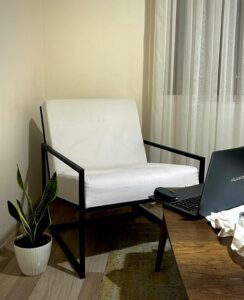
– Plants: A few green plants can freshen the air and create a calm atmosphere.
– Artwork or Photos: Decorate with items that inspire and brighten your mood.
– Color Choices: Use colors that stimulate focus or relaxation, like soft blues or greens.
Maintain Good Lighting
Besides natural light, a good quality desk lamp with adjustable brightness can reduce eye strain, especially during early mornings or late evenings. Look for bulbs that mimic daylight for the best effect.
Optimize Technology Setup
Ensure your technology supports your work without frustration:
– Reliable Internet: A strong and stable internet connection is essential for video calls and online tasks.
– Quality Equipment: Invest in a good monitor, keyboard, mouse, and headset to improve comfort and efficiency.
– Regular Maintenance: Keep software updated and perform routine checks to prevent technical issues.
Establish a Routine and Dedicated Work Hours
Creating a schedule can help maintain a separation between work and personal time:
– Start Your Day Consistently: Begin work at the same time each day.
– Breaks Matter: Take regular short breaks to stretch and rest your eyes.
– End of Day Ritual: Signal the end of work with a routine like shutting down your computer or tidying your desk.
Prioritize Air Quality and Temperature
A comfortable room temperature and good ventilation can keep you alert and comfortable. Use fans, heaters, or air purifiers as needed to create a pleasant environment.
Encourage Movement
Sitting for long periods can be unhealthy and reduce productivity:
– Stretch Regularly: Take a few minutes every hour to stretch your legs and back.
– Use a Standing Desk or Balance Board: These alternatives promote movement while working.
Final Thoughts
Designing a productive home office involves balancing comfort, organization, and a distraction-free environment. By implementing these tips, you can create a space that encourages focus, reduces stress, and enhances your work-from-home experience. Remember, your home office should fit your personal needs and preferences, so feel free to adjust these suggestions to what works best for you.