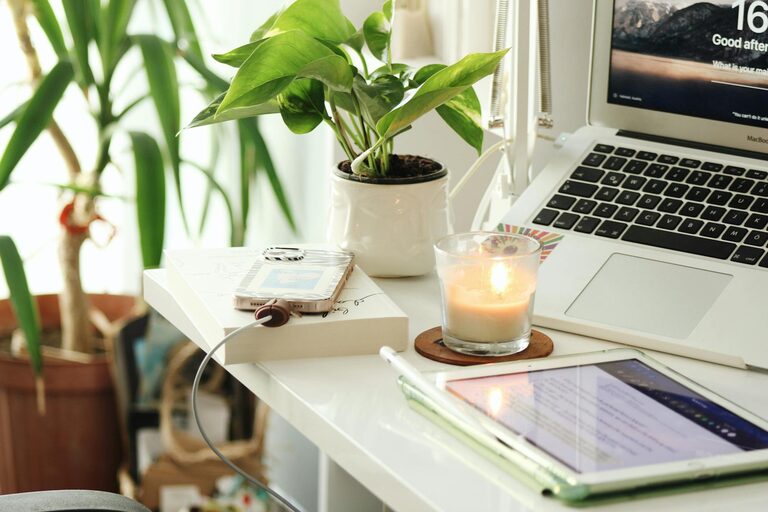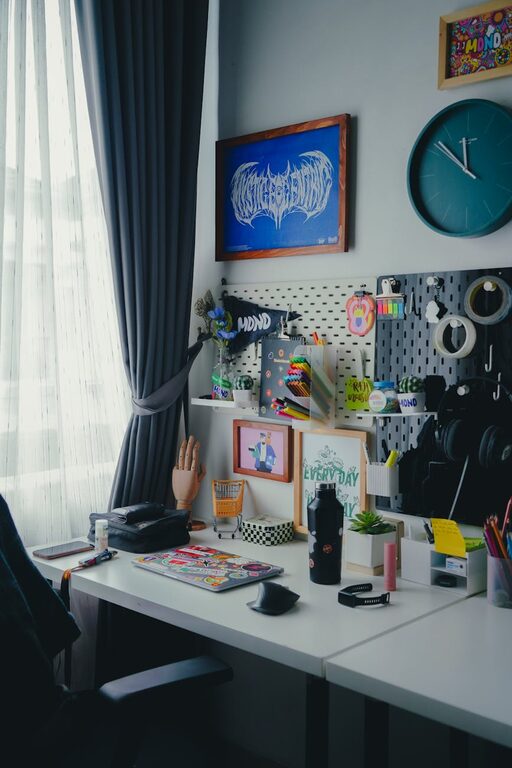



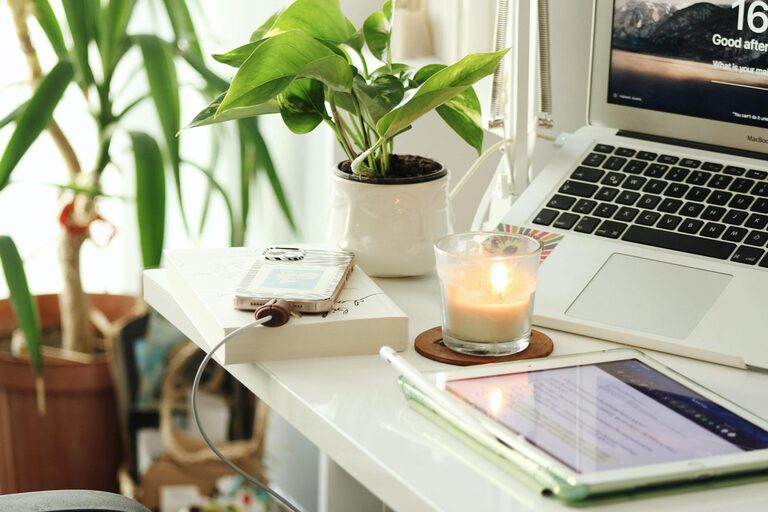
Creating a cozy and productive home office environment is essential for anyone who works from home or spends significant time on personal projects. A well-designed workspace can boost focus, reduce stress, and improve overall work satisfaction. Whether you have a dedicated room or just a small corner, these tips will help you craft an ideal home office that feels inviting and keeps you motivated.
1. Choose the Right Location
The first step is to select a spot in your home that suits your work style and space availability.
– Natural Light: Try to position your desk near a window. Natural light helps reduce eye strain and elevates mood.
– Quiet Area: Find a space with minimal distractions and noise. If that’s difficult, consider noise-canceling headphones or soft white noise machines.
– Separation: When possible, pick a location separate from high-traffic or entertainment areas to keep your workspace distinct from your living space.
2. Invest in Comfortable and Functional Furniture
Comfort is key for long hours at your desk, but functionality matters just as much.
– Ergonomic Chair: Choose a chair that supports your back and encourages good posture.
– Adjustable Desk: If possible, use a height-adjustable desk so you can alternate between sitting and standing.
– Sufficient Surface Area: Your desk should be spacious enough to hold your computer, notebook, and other essentials without feeling cluttered.
3. Optimize Lighting
Proper lighting reduces eye fatigue and creates a welcoming atmosphere.
– Layer Lighting: Combine natural daylight with overhead lights and task lighting like desk lamps.
– Adjustable Lamps: Consider lamps with adjustable brightness and color temperature to match different times of day.
– Avoid Glare: Position screens and lights to avoid glare, which can be distracting and harmful to your eyes.
4. Organize and Declutter
A tidy workspace promotes clear thinking and productivity.
– Storage Solutions: Use shelves, drawers, and organizers to keep supplies out of sight but easily accessible.
– Cable Management: Use clips, ties, or sleeves to keep cords neat and prevent tangling.
– Daily Tidying: Spend a few minutes at the end of each day clearing your desk to create a fresh start for tomorrow.
5. Personalize Your Space
Adding personal touches can make your office feel cozy and inviting.
– Decor: Include artwork, photos, or plants that inspire you without overwhelming the space.
– Color Scheme: Use calming colors like soft blues, greens, or neutrals to create a peaceful environment.
– Comfort Items: A cozy blanket or a small cushion can make long working hours more comfortable.
6. Incorporate Technology Wisely
Make sure your home office supports your technical needs efficiently.
– Reliable Internet: A strong, stable connection is essential for smooth video calls and fast downloads.
– Essential Devices: Invest in the tech tools you use most, such as a quality headset, printer, or additional monitors.
– Power Access: Ensure enough outlets or power strips are within reach for all your electronics.
7. Create Boundaries Between Work and Relaxation
Separating work from personal life helps maintain balance and prevent burnout.
– Work Hours: Set and stick to specific work hours.
– Physical Barriers: Use room dividers or curtains if your office is part of a larger room.
– End of Day Routine: Develop habits to signal the end of work, like closing your laptop or turning off office lights.
8. Add Greenery for Well-being
Plants not only improve air quality but also add life to your workspace.
– Choose low-maintenance plants like succulents, snake plants, or pothos that thrive indoors.
– Position plants where they get sufficient light but don’t interfere with your workflow.
9. Maintain Good Air Quality and Temperature
Comfort also depends on the air you breathe and the room temperature.
– Keep your office well-ventilated by opening windows or using air purifiers.
– Adjust heating or cooling to a comfortable setting — usually around 68 to 72°F (20 to 22°C).
10. Regularly Reassess and Update Your Office
Your working needs may change over time, so revisit your space periodically.
– Update technology or furniture as needed.
– Rotate decorations or add new elements to keep the space fresh and inspiring.
– Reflect on what works and make adjustments to improve comfort or productivity.
—
Establishing a home office that feels both cozy and efficient is an ongoing process. By paying attention to lighting, organization, comfort, and personal touches, you create a space that supports your work and wellbeing alike. With these tips, you’ll be well on your way to enjoying a productive day, every day.